Raw-water transfer
Use after suspended matter and liquid condition are checked for compatibility.
Pump equipment for water systems
Engineering guidance for water transfer, distribution and circulation duties in factories, MEP projects and water-treatment systems. Selection is reviewed against the required flow and head, suction conditions, liquid properties, operating mode and available project documents.
Applications
Identify the system duty before selecting a pump family and model.
Use after suspended matter and liquid condition are checked for compatibility.
Supply or transfer clean water between stages and points of use.
Deliver water to equipment at the required duty point.
Review elevation, route losses and operating sequence.
Support washdown, cooling and shared utility-water duties.
Supply or circulate after arrangement and temperature review.
Confirm demand, source pressure and control scope.
Maintain circulation in compatible technical-water systems.
Coordinate with the Pump Schedule, BOQ and installation space.
Use after liquid and material requirements are confirmed.
Input risks
Items that should be resolved before the pump configuration is confirmed.
Demand may vary by shift, process stage or operating period; one isolated value is not a complete selection basis.
Flow and head must be reviewed with source conditions, outlet pressure and losses across the complete route.
Source level, inlet pressure, transfer distance and unstable inlet conditions need review.
Valves, fittings, equipment, pipe diameter and static elevation all affect total dynamic head.
Pump quantity, alternation and standby duty depend on the required continuity of service.
Temperature, suspended matter, contamination and material requirements must be checked before selecting a family.
Selection package
Collect the operating data and available documents needed for a defensible technical review.
Complete inputs allow the technical team to confirm the system approach, pump model and document package more quickly and accurately.
Review sequence
A practical workflow for turning project information into a reviewable pump-selection request.
Define normal demand, peak demand and processes that may operate simultaneously.
Confirm source level or pressure, transfer distance and any unstable inlet condition.
Combine flow, static elevation, required outlet pressure and losses across the complete route.
Review temperature, suspended matter, contamination and material needs before family selection.
Evaluate pump quantity, alternation, standby duty and the required control scope.
Select against approved inputs, then issue the relevant curve, drawing and technical documents.
This is a project-preparation and technical-review workflow. It does not replace complete system design or the consultant’s design responsibility.
Relevant pump families
Each family has a distinct system role. The final model is confirmed only after the project inputs are reviewed.
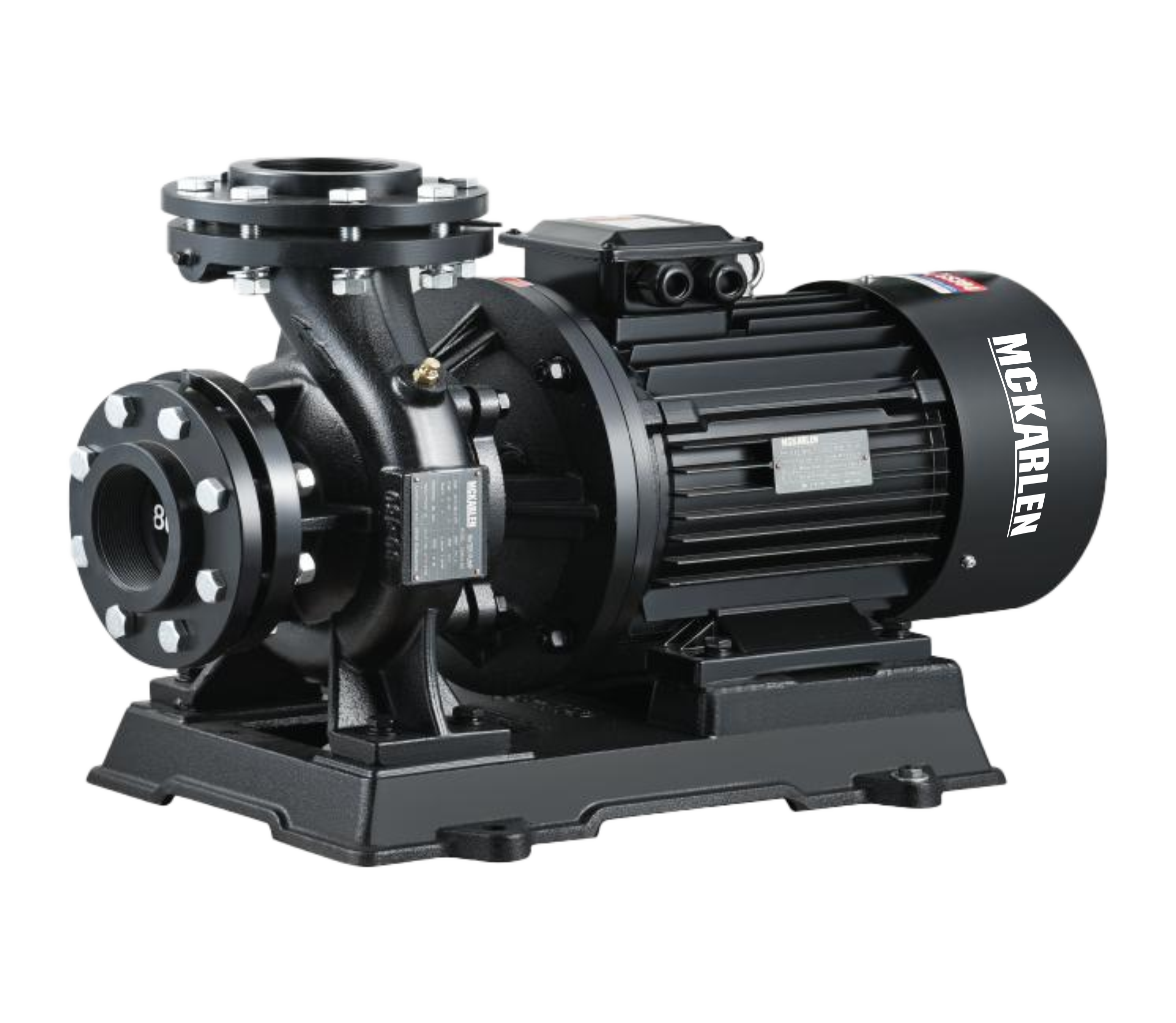
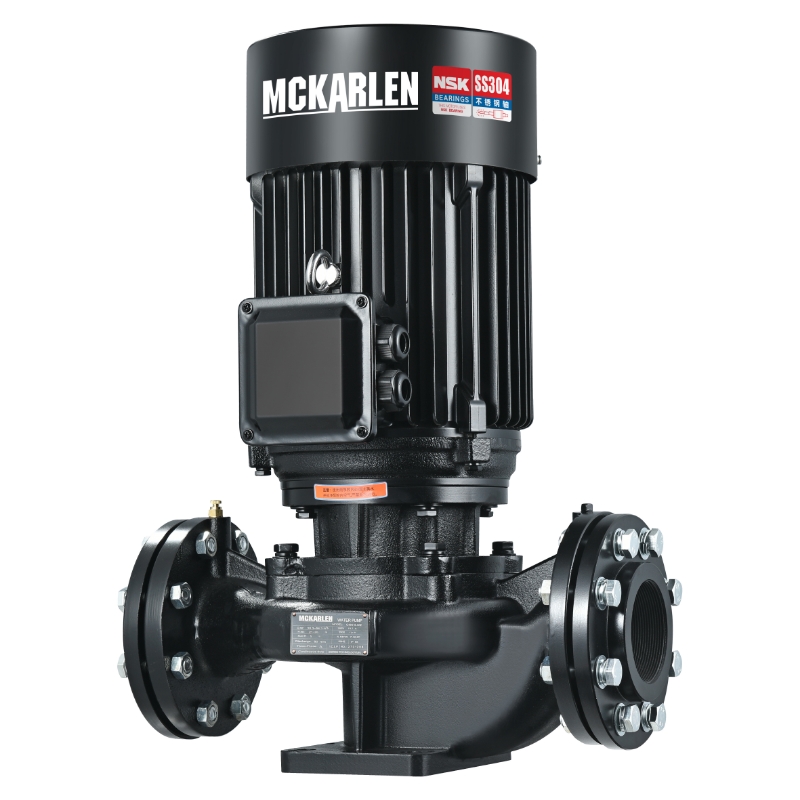
Inline pumps for compatible water-supply, transfer or circulation duties where the piping arrangement and installation space suit a horizontal or vertical inline configuration.
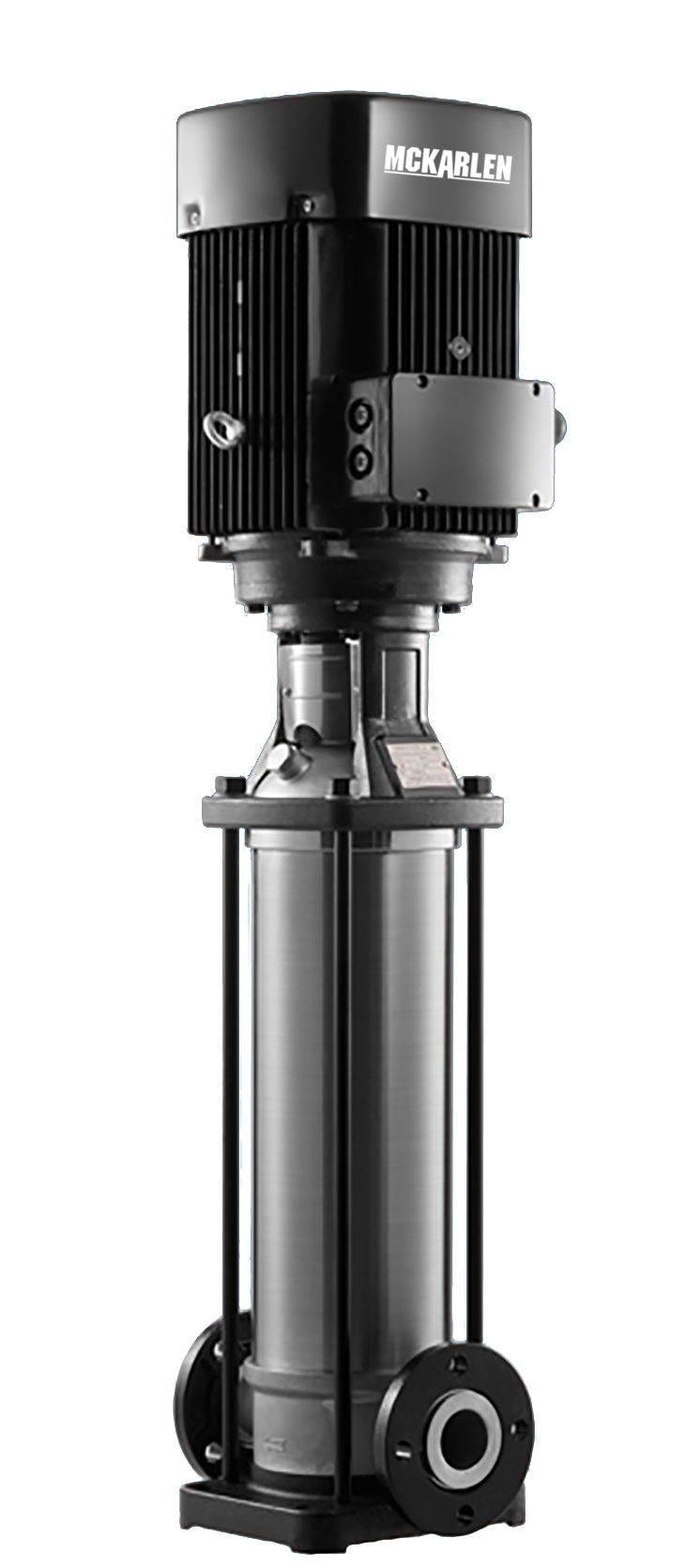
Vertical multistage stainless-steel centrifugal pumps for clean water and compatible industrial-water duties where a multistage or higher-head approach is required.
Application conditions
Keep solution scoping, pump-family selection and final model confirmation clearly separated.
This page supports solution scoping; it does not confirm a model when project inputs are incomplete.
CI / VI and HCR have different roles and must not be selected on size or motor power alone.
Suspended matter, contamination and liquid properties must be checked before a pump is confirmed.
Wastewater and solids-handling applications are outside this page.
Temperature, pressure, materials, power supply and curves are confirmed by model.
Pump quantity, standby duty and controls depend on the operating profile and project scope.
Controlled documents
Use approved public documents where available; model-specific submittals follow a technical request and project review.
Publicly available
Access controlled public documents through the CI / VI Product page.
Available on request
Supplied through a technical-document request and project review.
Project review required
Confirmed for the selected model, frequency, configuration and duty point.
Project review required
Confirmed against the liquid, temperature and selected construction.
Available on request
Supplied according to pump type, piping arrangement and maintenance access.
Equipment evidence
Equipment-reference records are governed by application, industry, approved location and McKarlen equipment-supply or product-support scope. Only records with sufficient technical evidence and approved image rights are made public.
Engineering knowledge
Three practical entry points for preparing a more complete project request.
Review the information required before submitting a selection request.
Understand the factors that affect flow, head and stable operation.
Identify when catalogues, curves, drawings, material information or installation guidance are required.
Engineering FAQ
Answers focused on project inputs, selection boundaries and document control.
No. Demand, source condition, piping, liquid properties, operating schedule and redundancy requirements vary by project.
CI / VI is relevant to suitable inline duties. HCR is considered for clean water or compatible industrial water where a multistage approach is required.
It should not. Total head, suction conditions, liquid information, operating schedule and basic piping data are also required.
Only after suspended matter, contamination and liquid properties are confirmed as compatible with the proposed construction.
The review should include static elevation, required pressure at the point of use, pipe and equipment losses, and the source condition.
The decision depends on production continuity, maintenance strategy, allowable shutdown time and the agreed project responsibility.
A request can be submitted, but the correct document set is issued after the duty point, model, frequency and configuration are confirmed.
Project enquiry
Submit the available documents with the required flow and head, liquid, temperature, power supply, material requirements and project location for technical review.